Choosing well while your ACBuy balance is still empty
Short tests for a spreadsheet site, a seller, an agent and the item itself, plus the traps that cost first-time buyers the most.
A five-minute audit of any finds site
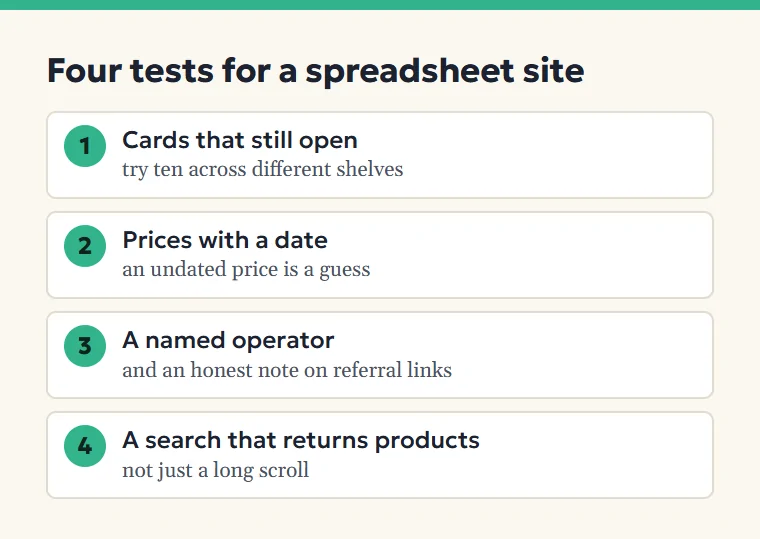
There are many spreadsheet sites, and most look alike. Four tests, about five minutes, show how to spot a spreadsheet site that someone still maintains. Hold this site to them too.
- Do the cards still open? Click ten cards across different shelves. More than one dead product page is a sign nobody maintains it.
- Are prices dated? A price without a date is a guess. Ours carry the day we read them.
- Is the operator named, with its income explained? Referral links are normal; hiding them is not.
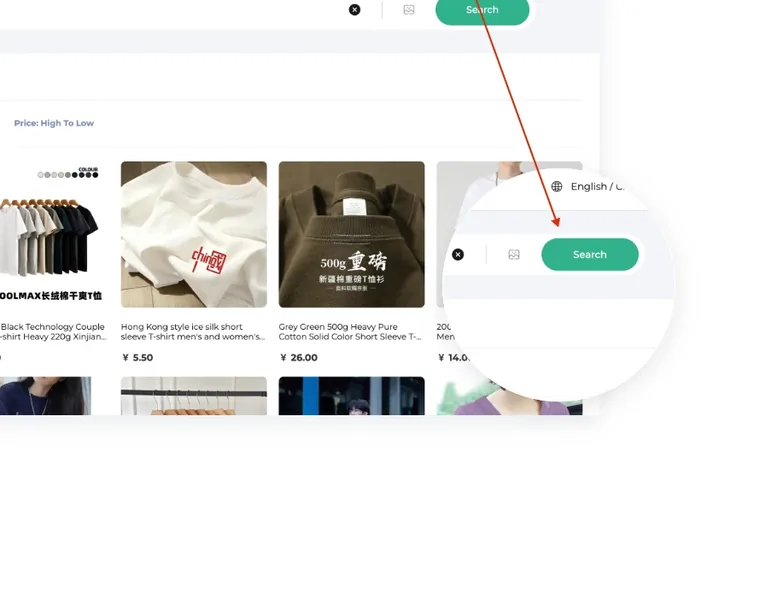
- Can you search, or only scroll? A search box that returns real products saves more time than any curated list.
Judging the shop with only its listing
You cannot visit the shop, so the listing has to do the talking. This is how to judge a seller with what is on the page:
- Own photos. Real photos taken on a plain floor or a hanger, repeated across colors, are a better sign than glossy campaign images.
- A size chart with numbers. Centimeters per size, ideally with the measuring method. No chart means you will be asking anyway.
- Option names that match the photos. If option 3 is labeled black and shows grey, expect confusion at the warehouse.
- Shop age and history where the platform shows them. A long-running shop has more to lose than a new one.
The order note to ACBuy's buyer is your one chance to ask the seller something before paying. Use it for anything the listing leaves out.
Choosing an agent before money moves
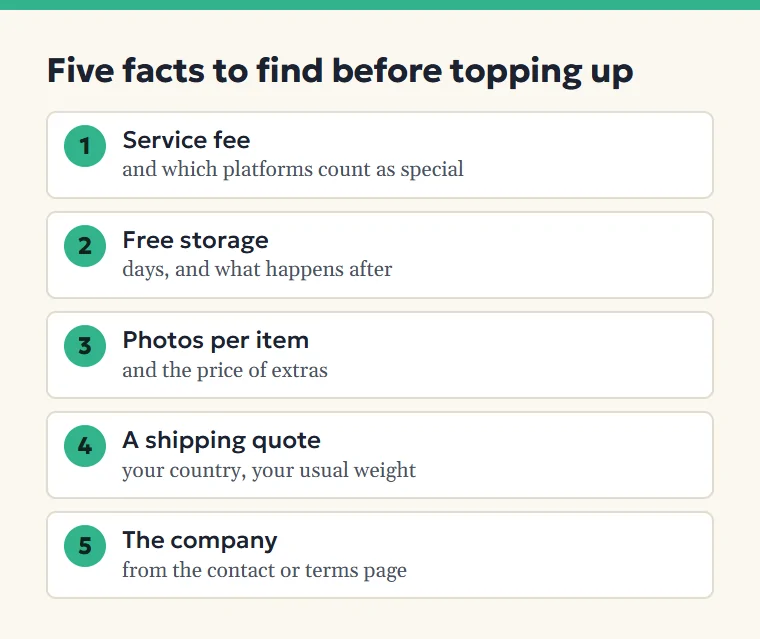
Choosing an agent is mostly reading. Before you top up anywhere, find five things in writing:
- the service fee, and which platforms count as special
- how long storage is free, and what happens after
- how many photos come with each item
- a shipping quote for your country at your usual weight, from the agent's own estimator
- who the company is, from its contact or terms page
ACBuy publishes all five; this site links each source page. What no agent publishes is how often parcels go missing, so be wary of anyone who ranks agents on reliability. For ACBuy specifically, our About ACBuy page names the situations in which we would try another agent first.
Choosing a product you will actually keep
Most regrets come from the item, not the agent. A few habits help when picking a product:
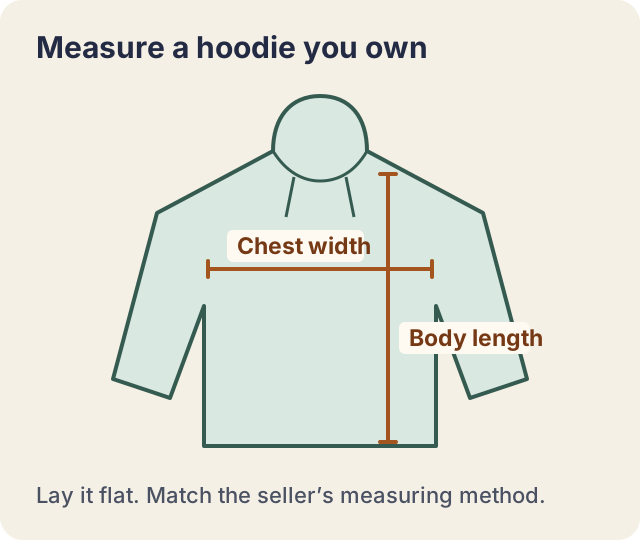
- Measure something you own. Lay your best-fitting hoodie flat and compare chest and length with the seller's chart.
- Think in parcel weight. A heavy coat can cost more to ship than to buy. Check the weight in the listing or ask in the order note.
- Prefer plain variants for a first order. Fewer prints and fewer parts mean fewer things the photos have to confirm.
- Check the shipping limits early. Batteries, liquids and powders narrow the lines you can use, and some lines refuse them outright.
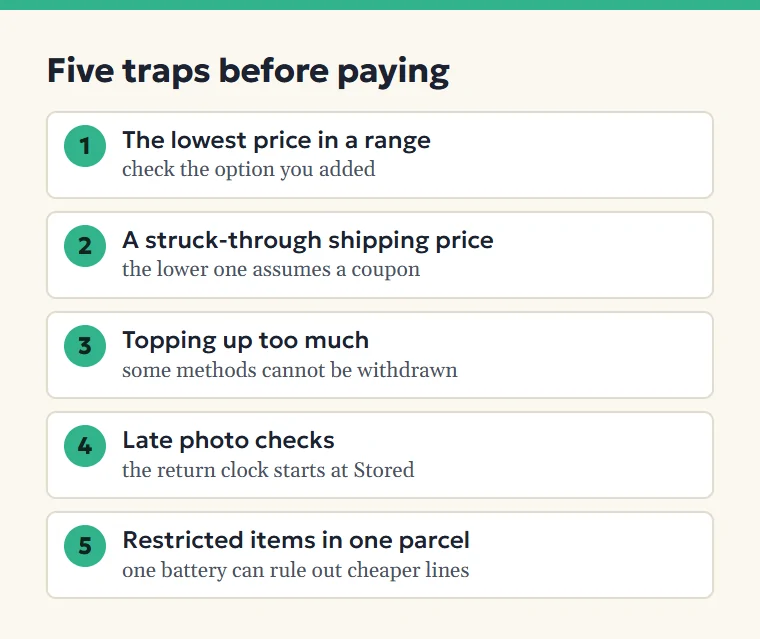
Five traps that cost first orders
- The lowest price in a range. A card with a price range usually leads with its lowest-priced option. Check which option you are actually adding.
- A struck-through shipping price. The lower figure on ACBuy's estimator assumes a coupon. Budget with the full price.
- Topping up more than one order needs. Some top-up methods cannot be withdrawn later, so add what you will spend.
- Waiting too long to look at the photos. The return clock starts when the item is stored, not when you log in.
- Mixing restricted items into one parcel. One battery item can rule out the lower-priced lines for everything else.
None of these is specific to ACBuy, but each of them shows up on ACBuy's screens in a particular place, which the buying walkthrough marks.
Next stops
If an item has passed all of this, it is ready for the cart.
Next on this site: Catalogue shelves Warehouse photos Costs and shipping